
Introduction to Visual Supports in ABA Therapy
What are Visual Supports?
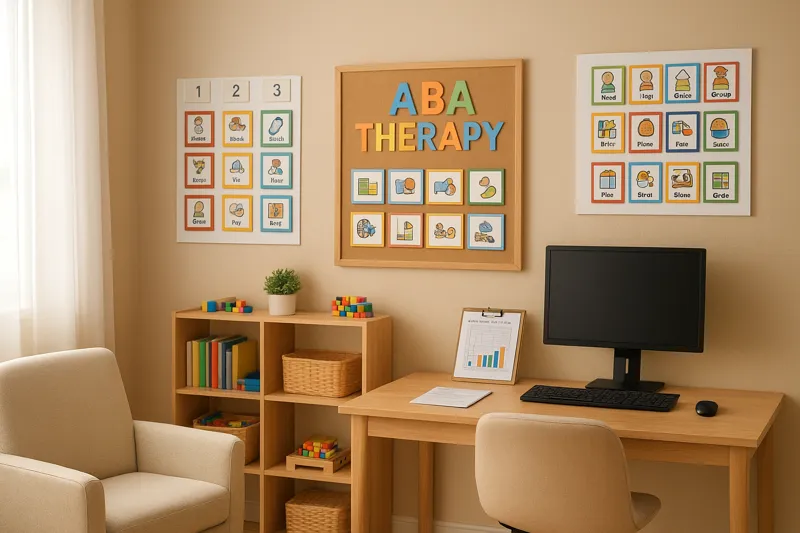
Visual supports are tools that use pictures, symbols, written words, or objects to help individuals better understand and communicate. They serve as visual cues that replace or supplement spoken language, making everyday activities and social interactions clearer and easier to manage.
Why Are Visual Supports Important for Individuals with ASD?
Individuals with autism spectrum disorder (ASD) often face challenges with communication and social interaction. Because many are visual learners, these supports help reduce anxiety and confusion by creating predictable routines and clear expectations. Visual supports enable better understanding of language and social cues, thereby fostering independence and improving daily functioning.
The Role of ABA Therapy
Applied Behavior Analysis (ABA) is an evidence-based therapy widely used in the United States to support individuals with ASD. ABA focuses on structured teaching and behavior management techniques. Visual supports are integral to ABA therapy, enhancing communication, reducing problem behaviors, and promoting skill development by providing visual clarity and consistent routines tailored to individual needs.
Understanding Visual Supports: Types and Applications

What are Common Types of Visual Supports Used in ABA Therapy?
Visual supports come in various forms tailored to meet individual needs. The most common types include:
- Visual Schedules: These display a sequence of activities or steps using pictures or symbols, helping individuals anticipate what comes next and easing transitions.
- Choice Boards: These present multiple options visually, allowing children with limited verbal skills to express preferences and increase autonomy.
- Social Stories: These are simple, illustrated narratives explaining social situations, expectations, and appropriate behaviors.
Additional supports include token boards to track rewards, visual timers, first-then boards for task sequencing, and emotion thermometers for recognizing feelings.
How Do Visual Supports Aid Communication and Reduce Anxiety?
Visual supports provide concrete, accessible ways to understand language and routines, especially benefiting individuals with autism spectrum disorder (ASD) who often process information visually. By creating predictability, they reduce anxiety linked to uncertainty or transitions. Visual cues also lessen frustration by clarifying instructions and expectations, promoting independence and positive behaviors.
What Are Practical Examples of Visual Aids and Their Uses?
- Visual Schedules: Used daily to help children understand their routine, reducing anxiety during transitions between activities like moving from playtime to snack time.
- Choice Boards: Employed in therapy and home settings to empower children to make decisions about activities or snacks.
- Social Stories: Utilized to prepare children for social interactions, such as attending a dentist appointment or understanding classroom rules.
- Visual Checklists and Reminders: Help children complete multi-step tasks independently, e.g., washing hands or packing school bags.
Creating visual supports can be simple, using printed photos or drawings, or more advanced using software like Boardmaker or PictureSET. Consistency across environments and personalization based on individual preferences maximize effectiveness.
Overall, visual supports in ABA therapy serve as practical tools that enhance communication, foster independence, and create structured, predictable environments to support individuals with ASD in their daily lives.
The Benefits of Visual Supports in Enhancing Communication and Independence
How do visual supports improve understanding and expression for individuals with ASD?
Visual supports such as pictures, symbols, and written words play a crucial role in Applied Behavior Analysis (ABA) therapy for individuals with autism spectrum disorder (ASD). They help bridge communication gaps by providing clear and concrete visual cues that enhance both comprehension and language expression. For many children with ASD—many of whom are visual learners—these aids simplify complex verbal instructions, making social cues and expectations easier to grasp. Tools like visual schedules and choice boards enable users to anticipate routines and make decisions, thereby fostering clearer self-expression and smoother social interactions.
What is the role of visual supports in promoting independence and skill development?
Visual supports encourage autonomy by breaking down tasks into manageable, step-by-step sequences. For example, visual checklists help children complete activities independently by visually guiding them through each step. Choice boards empower decision-making by allowing non-verbal individuals to communicate preferences without relying on speech. Incorporating these visual tools consistently across environments—home, school, and therapy—reinforces routine understanding and facilitates skill generalization. Consequently, individuals develop greater confidence in managing daily activities and social participation.
How do visual supports help reduce frustration, anxiety, and problem behaviors?
By creating predictability and structure, visual supports greatly reduce anxiety and frustration that individuals with ASD often face when confronted with uncertainty or transitions. Clear visual schedules and reminders help children anticipate upcoming events, diminishing fears of the unknown and decreasing undesirable behaviors. These supports act as antecedent interventions that clarify expectations and provide consistency, fostering calmer, more focused responses during daily routines. Over time, this leads to fewer challenging behaviors and improved emotional regulation.
In summary, visual supports are powerful, evidence-based tools in ABA therapy that improve communication, foster independence, and reduce emotional distress. Their personalized, consistent use enables individuals with ASD to navigate their environments with increased confidence and skill.
Implementing Visual Supports: Strategies and Best Practices
Assessment and personalization of visual supports
Effective use of visual supports in ABA therapy starts with a thorough assessment of the individual child's needs, preferences, and developmental level. Personalizing visuals ensures they are meaningful and engaging, often incorporating a child's interests or familiar items. Visual aids can range from pictures, symbols, or written words to objects that best fit the child's communication abilities. Therapists tailor supports like visual schedules, choice boards, and social stories to match skill levels, gradually increasing complexity. Regular updates keep visuals relevant as the child progresses.
Consistency across environments (home, school, therapy)
Consistency is vital for the success of visual supports in ABA therapy. Using them uniformly across home, school, and therapy settings reinforces learning and reduces confusion. When visuals remain similar and are applied regularly, children better generalize skills and experience reduced anxiety by understanding routines anywhere they go. Caregivers, educators, and therapists maintaining consistent use help solidify expectations and promote independence.
Collaboration between caregivers, therapists, and educators
Strong communication and teamwork among all involved parties ensures the effectiveness of visual supports in ABA therapy. Collaboration allows for sharing insights, adapting tools based on real-world observations, and maintaining consistency. When caregivers and educators are trained in using visual supports by therapists, children experience seamless support. This cooperative approach also helps track progress and modify visuals as needs evolve.
Use of technology to create and update visuals
Modern technology enhances the creation and customization of visual supports. Software such as Boardmaker, SymWriter, and PictureSET simplifies making personalized, clear, and attractive visuals. Digital tools allow for quick updates and easy duplication for multiple environments. Tablets and apps also add interactive elements that increase engagement and motivation during therapy. Technology integration supports ongoing adaptation to the child's development, maximizing the impact of visual aids.
Visual Supports as Antecedent Interventions to Manage Behavior

Using visual supports to set clear expectations
Visual supports in ABA play a crucial role in behavior management within ABA by clearly communicating expectations before behaviors occur. Tools such as Visual schedules, First-Then boards, and Choice boards visually outline tasks and routines, providing structure that assists individuals, especially children with autism spectrum disorder (ASD), in understanding what is expected of them. This clarity helps reduce confusion and frustration that can lead to challenging behaviors.
Reducing problem behaviors and anxiety through predictability
By establishing predictable routines and Visual cues, Visual supports in ABA help reduce anxiety and prevent problem behaviors. Predictability allows individuals to anticipate upcoming activities and transitions, diminishing stress caused by uncertainty. This Antecedent interventions in ABA preempts issues by providing a visual roadmap that can ease transitions and decrease resistance to changes, thereby lowering the occurrence of behavioral challenges.
Examples such as First-Then boards, token boards, and behavior charts
- First-Then Boards: These visuals break down tasks into sequential steps, showing a first activity followed by a preferred activity, helping maintain focus and motivation.
- Token Boards: They provide a clear system of earning rewards, visually tracking progress toward positive reinforcement.
- Behavior Charts: These track behaviors and offer visual feedback on performance, encouraging self-monitoring and positive behavior reinforcement.
These visual tools act as proactive interventions that structure the environment, clarify expectations, and engage the individual, contributing to improved behavior and increased independence within Visual supports and independence.
Personalizing and Updating Visual Supports for Maximum Effectiveness
Tailoring Visual Aids to the Child's Developmental Level and Preferences
Visual supports in ABA therapy must be customized to fit each child's unique developmental stage and individual preferences. This ensures that the aids are understandable and engaging. For younger children or those with limited language, simple pictures or real photographs might be best, while older or more advanced children may benefit from symbols or written words. Considering a child’s interests—such as favorite characters or colors—can increase motivation and attention.
Involving the Child in Creating and Updating Supports
Active participation of the child in designing and refreshing visual supports encourages ownership and engagement. When children help select or arrange visuals, they are more likely to use them consistently and effectively. This process also provides opportunities to teach skills like choice-making and self-expression. See Using Visual Supports in ABA Therapy for strategies on creating age-appropriate visuals and updating visual supports regularly.
Adapting Visuals for Changing Routines and Skills
As children grow and acquire new skills, visual supports in ABA therapy should be regularly reviewed and modified to match their evolving needs. Adjusting visuals to reflect changes in daily schedules, new tasks, or developmental progress maintains relevance and prevents the aids from becoming obsolete. Incorporating feedback from therapists, parents, and the child helps ensure visuals remain clear and supportive.
These personalized and adaptable strategies foster independence, reduce anxiety, and enhance communication for children with autism within ABA therapy settings in the United States.
The Role of Technology in Enhancing Visual Supports

How do software tools like Boardmaker, SymWriter, and PictureSET support visual aids?
Software tools such as Boardmaker for ABA visual supports, SymWriter visual support software, and PictureSET for visual supports are commonly used to create customized visual supports in ABA. These tools allow therapists, educators, and caregivers to design clear, consistent, and personalized visuals tailored to the individual's needs. These programs provide a library of images, symbols, and icons which make it easier to produce materials like visual schedules in ABA, choice boards, and social stories. The software's flexibility facilitates updates and modifications to visuals as a child’s skills and routines evolve.
How are tablets and apps used to enhance visual supports?
Modern technology integration includes the use of tablets and apps that offer interactive visual supports in ABA therapy. Unlike static visuals, these digital tools can engage children more dynamically by incorporating touch responses, animations, and customizable sequences. Tablets enable portability and accessibility of multiple visual supports in one device, making it practical for use in different environments such as home, school, or therapy sessions. Interactive apps also provide instant feedback, which can motivate children and encourage independent usage.
What benefits do technology-enhanced visual supports provide?
Technology-enhanced Visual Supports in ABA Therapy improve engagement and learning outcomes for children with autism. Interactive visuals capture attention more effectively than traditional methods, increasing motivation and participation in daily routines and therapy activities. The dynamic nature of digital supports allows for immediate adaptation to a child's progress, making the intervention more responsive and personalized. Research indicates that using technology in visual supports can lead to better task completion, reduced anxiety during transitions, and enhanced communication skills. Additionally, caregivers benefit from easier creation and consistent updating of visual materials, supporting skill generalization across settings in the United States.
Visual Supports Across Different Environments: Home, School, and Therapy

Why is consistent use of visual supports important across settings?
Consistent use of visual supports in ABA therapy across home, school, and therapy environments is essential to maximize their effectiveness. When the same visual cues, visual schedules, or choice boards are used consistently, children with autism spectrum disorder (ASD) can better understand expectations and instructions, reducing confusion and anxiety. This uniformity helps children anticipate daily routines and transitions confidently, reinforcing learning and encouraging independence.
How can parents and caregivers be trained to use visual supports effectively at home?
Training parents and caregivers is vital for successful implementation of visual supports in ABA therapy in home settings. Therapists often provide guidance on creating personalized visual aids and explain strategies for introducing them gradually into daily routines. Parents learn how to keep visuals simple, clear, and consistent, tailoring them to their child’s interests and developmental level. Caregiver involvement increases a child's comfort with visual supports and strengthens skill retention, leading to smoother routines and less frustration at home.
How do visual supports foster skill generalization and independence?
Visual supports act as bridges connecting understanding with action, helping children apply learned skills across different environments. By using the same or similar visual tools in multiple settings, children can generalize skills like task completion, social interaction, and decision-making. This continuity promotes autonomy, enabling children to complete tasks independently, make choices confidently, and transition between activities with less support. Over time, this builds self-reliance and improves communication abilities.
These practices are widely supported in ABA therapy programs across the United States, emphasizing collaboration among therapists, educators, and families to maintain consistency and adapt visual supports as the child’s needs evolve.
Measuring Progress and Effectiveness of Visual Supports in ABA
How is data collected on the use and outcomes of visual supports in ABA?
Data collection is fundamental in ABA therapy to track the use and impact of visual supports in ABA. Practitioners monitor how often an individual uses visual aids such as schedules, choice boards, and checklists. They record the accuracy of task completion, the level of prompting required, and observe any behavioral changes. This systematic tracking helps in evaluating whether benefits of visual aids are effectively aiding communication and routine management.
How do therapists monitor improvements in communication, behavior, and independence?
Therapists assess progress through measurable indicators such as increased task completion rates, reduced anxiety levels, and fewer problem behaviors. For example, research notes up to a 68% reduction in challenging behaviors and a 45% improvement in independence in daily living skills with consistent visual supports in ABA therapy. Communication improvements are also monitored, particularly in non-verbal children, by tracking development in alternative communication methods like picture exchange systems.
How are strategies adjusted based on assessment results?
Using collected data, therapists and caregivers can tailor visual supports in ABA to better meet the individual's evolving needs. Adjustments may include simplifying or personalizing visuals, adding or removing supports, or changing formats to increase engagement. Regular reassessment ensures visual aids remain aligned with goals, promoting greater independence and enhanced learning experiences.
In summary, ongoing data collection and evaluation of visual supports in ABA effectiveness allow for informed decisions that optimize ABA therapy outcomes for individuals with autism spectrum disorder.
Conclusion: Empowering Individuals with Autism Through Visual Supports in ABA Therapy
Visual supports are essential in Applied Behavior Analysis (ABA) therapy, offering numerous benefits for individuals with autism spectrum disorder (ASD). They improve communication by translating language into accessible visual formats, reduce anxiety through predictable routines, and foster independence by guiding daily tasks and decision-making processes. These tools include visual schedules, choice boards, social stories, and token systems, which can be personalized to meet each individual's unique needs.
Best practices emphasize consistent use across home, school, and therapy settings, ensuring skill generalization and reducing frustration. Collaboration among caregivers, therapists, and educators is critical to creating effective visual supports tailored to each child's learning style and preferences. Additionally, involving children in developing their visual aids enhances engagement and self-reliance.
Caregivers and professionals are encouraged to adopt visual supports as part of comprehensive ABA programming. The ongoing evolution of technology—such as apps and interactive platforms—promises to make these tools even more engaging and accessible. Continued research supports their efficacy and guides improvements, reinforcing visual supports as a vital strategy to empower individuals with ASD and enhance their quality of life.