
Introduction to Group ABA Therapy and Its Social Benefits
What is Group ABA Therapy?
Group ABA therapy involves multiple children participating in sessions together under the guidance of trained therapists who use Applied Behavior Analysis (ABA) principles. This approach focuses on developing social, communication, and cooperative skills within a supportive, structured environment.
Why Social Skills Matter
For children with autism, mastering social skills such as sharing, turn-taking, and interpreting social cues is vital for success in school, home, and community settings. Group therapy offers an interactive and realistic platform where these skills can be practiced and strengthened.
The Role of Peer Interactions
One of the major benefits of group ABA therapy is peer modeling. Children observe and imitate positive social behaviors demonstrated by their peers. This natural learning process helps boost self-esteem and motivation, making therapy more effective and promoting the generalization of social skills to everyday life.
Enhancing Socialization Through Peer Interaction and Modeling

How Does Peer Modeling in Group ABA Therapy Aid Social Development?
Peer modeling is a fundamental element of group ABA therapy, where children with autism observe and imitate the positive behaviors demonstrated by their peers. This natural learning process helps them develop essential social skills by seeing these behaviors in action within a supportive environment. Watching peers engage in social interactions encourages children to try similar behaviors themselves, which boosts both their social competence and motivation to participate.
What Social Skills Are Developed Through Group Interaction?
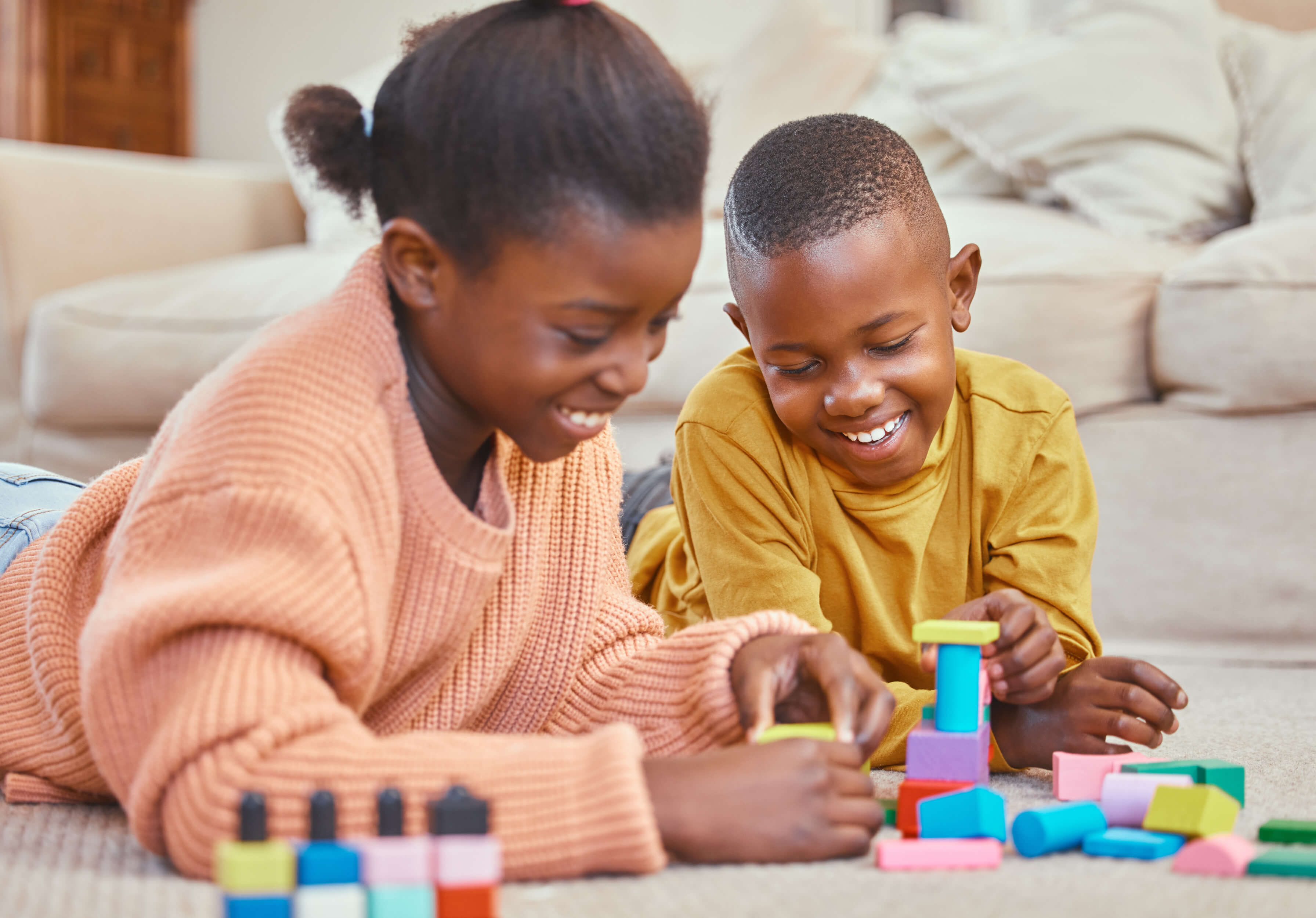
Group settings are highly effective for teaching vital social skills. Through structured activities like sharing, turn-taking, initiating conversations, and responding appropriately to social cues, children learn how to navigate social situations confidently. Cooperation and teamwork are also fostered as children work toward shared goals during group ABA activities, strengthening their ability to communicate and connect with others.
Role of Peer Observation in Learning Social Behaviors
Observing peers allows children to pick up on subtle social nuances that are difficult to teach in one-on-one sessions alone. It builds empathy and understanding as children see various ways to respond to different social scenarios. This observation not only supports skill acquisition but also enhances emotional regulation and problem-solving abilities by modeling effective social strategies.
Improvement in Social Motivation and Self-Esteem
Interacting with peers within group therapy boosts children's self-esteem by providing positive social feedback and reinforcing their efforts. As they successfully engage in social exchanges, their confidence grows, encouraging further social participation. The natural peer reinforcement found in group sessions increases motivation and helps sustain progress outside the therapy setting.
Group ABA therapy creates a dynamic learning environment where social skills are practiced and reinforced through peer interaction and modeling. This method prepares children for real-world social experiences, helping them to become more independent and socially competent.
Structured Group Activities: Building Communication, Emotional Regulation, and Teamwork

What types of activities are used in group ABA therapy and their benefits?
Group ABA therapy incorporates a variety of structured activities designed to foster essential social and emotional skills among children with autism. Common activities include role-playing, cooperative games, and group discussions. These exercises provide safe, guided opportunities for children to practice communication, sharing, taking turns, and interpreting social cues. Role-playing allows children to simulate real-life social interactions, which improves their ability to initiate conversations and respond appropriately.
Cooperative games encourage teamwork as participants work toward shared goals, enhancing collaborative problem-solving abilities. Group discussions offer a platform for children to express their thoughts and listen to peers, further developing conversational skills and empathy.
How does group therapy support emotional regulation?
Structured group settings are instrumental in teaching emotional regulation in group therapy and coping strategies. Children learn to manage their feelings during social challenges such as waiting their turn or handling disagreements through techniques like deep breathing and calming language. Therapists guide these lessons within the context of group activities, allowing children to practice self-control and emotional responses in a supportive environment.
This real-time practice helps children generalize these skills to everyday life, leading to better emotional stability in social situations. Additionally, the presence of peers provides motivation and peer support, reinforcing positive emotional behaviors.
Development of teamwork and collaborative problem-solving
Group ABA therapy actively encourages children to engage in teamwork by assigning joint tasks during cooperative play. These activities teach them the value of sharing responsibilities, listening to others, and negotiating conflicts. By working together, children learn to celebrate joint accomplishments and develop leadership skills.
This preparation benefits them beyond therapy sessions, equipping them to function well in school, family, and community settings where cooperation and problem-solving are vital. Through consistent participation in structured group activities in ABA, children gradually build confidence, adaptability, and a strong sense of belonging.
Generalization and Real-World Application of Skills Learned in Group ABA Therapy
How does group ABA therapy facilitate skill generalization?
Group ABA therapy provides children with autism structured opportunities to practice social skills in settings that closely mimic real-world environments. This naturalistic framework allows children to develop communication, cooperation, problem-solving, and emotional regulation in ABA therapy skills alongside peers, increasing the likelihood that these behaviors transfer to everyday settings like school, home, and the community. Activities such as role-playing in group ABA, cooperative games in therapy, and peer interactions in ABA therapy build competence in sharing, taking turns, and interpreting social cues.
Importance of naturalistic environments for learning
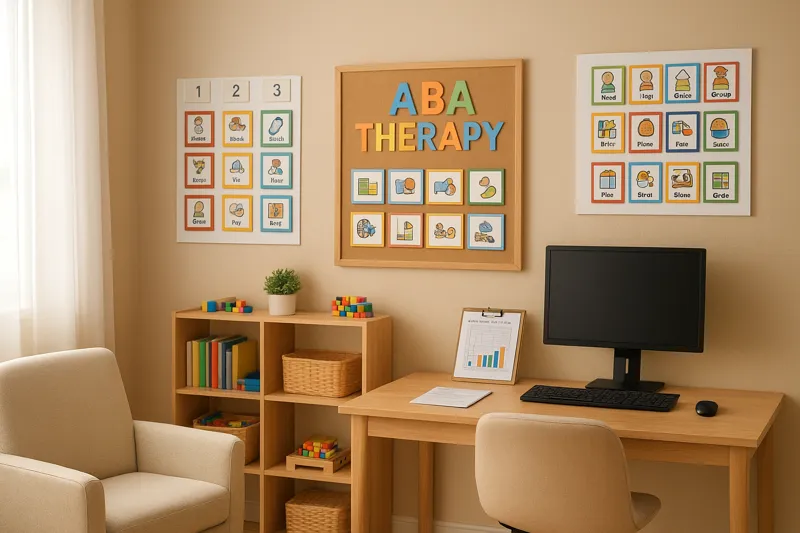
Naturalistic environments in group ABA therapy settings enhance learning by offering realistic challenges and social contexts. Center-based facilities often use sensory integration tools and visual schedules for skill development to support skill acquisition in a predictable yet dynamic atmosphere. This helps children generalize behaviors beyond therapy by replicating the social nuances they will encounter outside the clinical setting.
What role do parents and caregivers play in supporting group ABA therapy?
Parents and caregivers are integral to reinforcing and generalizing skills gained during group ABA therapy. They help maintain consistency by using positive reinforcement and supportive strategies at home. Regular therapist and parent communication ensures alignment on goals and progress, facilitating ongoing behavioral development across multiple settings.
Together, these elements foster increased confidence and competence, preparing children for successful social integration in diverse environments.
Balancing Group and Individual ABA Therapy for Optimal Outcomes

What are the benefits and limitations of group ABA therapy?
Group ABA therapy offers children with autism valuable chances to develop social skills development in autism by participating in structured activities like role-playing and cooperative games in therapy. It promotes peer interaction in ABA therapy, teaching essential skills such as sharing, turn-taking, and emotional regulation in group therapy in a naturalistic environment. These social opportunities often lead to improved communication, confidence, and motivation.
However, group therapy may not suit every child. Those with sensory sensitivities and group therapy or more severe challenges might find busy, noisy group environments overwhelming, which can hinder their progress.
Who benefits most from group ABA therapy compared to individual sessions?
Children who have mastered foundational skills and are ready to practice social interactions in peer settings tend to benefit most from Group ABA therapy sessions. This setting fosters peer modeling, allowing children to learn behaviors by observing others. Conversely, children who require intensive, individualized support—particularly those with sensory issues or significant developmental needs—may benefit more from one-on-one therapy.
How do combined group and individual sessions support children with autism?
A balanced ABA therapy approach integrates the strengths of both group and individual ABA sessions. Individual sessions provide personalized ABA therapy targeting foundational skills and specific challenges. Meanwhile, group sessions offer natural contexts for applying those skills through social interaction opportunities. This combination ensures that children receive tailored support while enhancing their social learning and generalizing skills through group activities to real-world situations.
Accessibility, Cost-Effectiveness, and Enhanced Engagement Through Group ABA Therapy

What are the practical advantages of group ABA therapy regarding cost and accessibility?
Group ABA therapy offers significant practical benefits, especially in terms of cost and accessibility. Because sessions involve multiple children simultaneously, the overall cost per child is reduced compared to one-on-one therapy. This cost-effectiveness of Group ABA Therapy makes it possible for families to access therapy earlier and more frequently, providing timely intervention critical for children with autism. Additionally, group settings often occur in center-based ABA therapy environments equipped to efficiently serve multiple participants, increasing availability and reducing wait times.
How does group therapy influence motivation and engagement in children?
Group ABA therapy greatly boosts children's motivation and engagement. Interactive activities such as cooperative games in therapy and role-playing in group ABA create a dynamic and enjoyable learning atmosphere. Children are encouraged by peer involvement and observation, which enhances their social motivation to participate and learn. This social context helps to maintain their interest, making therapy sessions more effective and helping skills to be acquired faster.
What specialized tools and structured environments support group ABA therapy?
Center-based group ABA therapy programs often utilize specialized tools like sensory integration tools, communication devices in therapy, and visual schedules for skill development. These resources help cater to individual sensory needs, facilitate communication, and guide children through predictable routines. The structured therapy environments reduce distractions and anxiety, enabling children to focus better and master skills more rapidly, often at double the rate compared to home-based therapy.
These practical advantages highlight how group ABA therapy not only promotes efficient use of resources but also creates an engaging and supportive setting that accelerates skill development and social growth among children with autism.
Conclusion: The Transformative Impact of Group ABA Therapy on Social Development
Group ABA therapy offers substantial benefits for social and communication development in children with autism. It enhances key skills such as turn-taking, sharing, cooperation, and emotional regulation through structured activities and peer interaction. Children learn by observing and imitating peers, boosting self-esteem and motivation for social engagement.
Despite being a group setting, individualized approaches remain crucial. Therapists tailor goals and strategies to each child's needs within the group, ensuring effective learning and addressing unique challenges. Parental involvement complements therapy by reinforcing skills and supporting progress at home.
Looking ahead, group ABA therapy is poised to become even more effective. Ongoing professional training and research support improved techniques that foster social competence, emotional regulation, and community inclusion. This progress promises better long-term quality of life and stronger social connections for children with autism.