
Understanding Sleep Challenges in Autism Spectrum Disorder
Prevalence and Types of Sleep Disturbances in Individuals with ASD
Sleep disturbances are highly prevalent among individuals with autism spectrum disorder (ASD), affecting between 50% and 80% of children and continuing up to 80% in adults with ASD. Common sleep problems include difficulty falling asleep, insomnia, frequent night awakenings, parasomnias, sleep-disordered breathing, and early morning arousings. Additional issues such as sleep apnea, nightmares, and night terrors are also frequently reported.
Sensory sensitivities—such as heightened response to light, noise, or bedding texture—alongside anxiety and disruptions in circadian rhythms often contribute to these sleep difficulties. Children with ASD may require longer to fall asleep and often experience less consolidated and lower quality sleep compared to typically developing children.
Impact of Poor Sleep on Behavior and Daily Functioning
Poor sleep quality significantly affects behavior and daily functioning in individuals with ASD. Insufficient or fragmented sleep can lead to increased irritability, anxiety, difficulties with emotional regulation, and impaired concentration. These effects compromise social interaction, learning, and adaptive behaviors, further exacerbating core ASD challenges.
Inadequate sleep also elevates behavioral disturbances such as aggression and self-injury, impacting family dynamics and increasing caregiver stress. Overall, sleep problems reduce quality of life, making effective management a priority for improving developmental outcomes and daily living for those with autism.
The Role of ABA Therapy in Managing Sleep Problems
What is ABA Therapy and Its Evidence Basis for Sleep Improvement?
Applied Behavior Analysis (ABA) therapy is a well-established, evidence-based approach used to address various behavioral challenges, including sleep problems in children with Autism Spectrum Disorder (ASD). Studies indicate that 50% to 80% of children with ASD face sleep difficulties such as insomnia, bedtime resistance, and frequent night awakenings. ABA therapy has demonstrated significant effectiveness, with around 53% of children showing improved sleep quality following interventions.
This approach is grounded in the principle that sleep difficulties are learned behaviors that can be modified through targeted behavioral strategies. ABA programs typically involve comprehensive assessments to identify specific barriers to sleep, followed by individualized treatment plans that consider the unique needs of each child.
What Behavioral Techniques are Used to Improve Sleep in Children with ASD?
ABA employs a variety of behavioral strategies tailored to promote consistent and healthy sleep habits. These techniques include:
Structured Bedtime Routines: Visual schedules and picture charts help break down the bedtime process into manageable steps, fostering predictability and reducing anxiety.
Positive Reinforcement: Rewards such as stickers, verbal praise, or preferred activities encourage adherence to sleep routines and promote calm behaviors.
Graduated Extinction Protocols: Gradual reduction of parental intervention during bedtime helps children learn self-soothing skills and remain in bed without resistance.
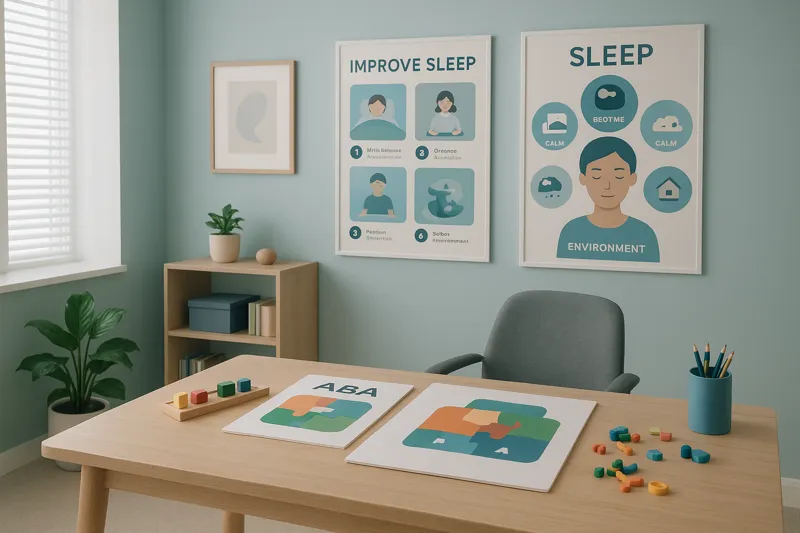
Environmental Adjustments: Modifications like noise control, proper lighting, comfortable bedding, use of weighted blankets, and calming scents address sensory sensitivities common in ASD.
Parental Training and Involvement: Parents receive coaching on implementing routines, recognizing early signs of sleep disturbance, and managing nighttime behaviors effectively.
These techniques are implemented in the child's natural environment, often as part of home-based therapy, allowing for individualized and sustainable improvements. Collaboration with healthcare professionals may complement ABA by addressing medical needs such as melatonin supplementation when necessary.
Together, these behavioral strategies foster improved sleep patterns, enhance daytime functioning, and contribute to overall well-being for children with autism and their families.
Assessment Tools for Identifying Sleep Issues in Autism
What are validated questionnaires and sleep diaries for sleep assessment?
Validated questionnaires, such as the Children's Sleep Habits Questionnaire (CSHQ), the Family Inventory of Sleep Habits (FISH), and the Albany Sleep Problems Scale (ASPS), are widely used tools for assessing sleep problems in children with ASD. These questionnaires help identify difficulties like prolonged sleep onset, frequent night awakenings, and short sleep durations.
Sleep diaries complement these assessments by providing a daily record of sleep patterns, including bedtime, sleep onset, nighttime awakenings, and daytime naps. This detailed documentation helps clinicians recognize patterns and environmental factors affecting sleep.
These tools are often used alongside objective measures like actigraphy, which records sleep-wake cycles with minimal invasiveness, to obtain a comprehensive picture of the child's sleep quality.
Why is ruling out medical causes important before behavioral interventions?
Before starting behavioral strategies such as those employed in Applied Behavior Analysis (ABA), it is critical to rule out medical causes of sleep disturbances. Conditions common in children with autism, including sleep apnea, gastrointestinal issues, or seizure disorders, can interfere with sleep and require medical treatment.
Consultation with pediatricians or sleep specialists is recommended to identify and address any underlying physiological problems. This ensures that behavioral interventions target the correct issues and maximizes the effectiveness of sleep management strategies.
By combining validated assessment tools with medical evaluation, practitioners in the United States develop individualized, research-supported interventions that effectively improve sleep quality, benefiting both children with ASD and their families.
Key Behavioral Strategies within ABA for Sleep Improvement
Establishing Structured Bedtime Routines with Visual Supports
A fundamental structured bedtime routines technique for improving sleep in children with autism is creating structured bedtime routines. These routines provide predictability and help reduce anxiety around bedtime. Visual supports for bedtime routines such as picture schedules or icon-based charts, break down complex routines into simple, manageable steps. This allows children to understand and follow the bedtime process independently, fostering a sense of control and comfort.
Use of Positive Reinforcement and Gradual Extinction Protocols
Positive reinforcement for bedtime is widely used in ABA to encourage desirable sleep behaviors. Reward systems, such as sticker charts or verbal praise, motivate children to adhere to bedtime routines and self-soothing practices. Gradual extinction protocols work by slowly reducing parental interventions during bedtime, helping children learn to fall asleep without assistance. This method decreases resistance and night wakings over time by teaching children to self-soothe and remain in bed.
Teaching Self-Soothing and Independent Sleep Skills
ABA emphasizes teaching self-soothing techniques that empower children to manage falling asleep independently. Methods include deep breathing exercises, holding comfort objects, and visualization strategies. These skills help reduce reliance on caregivers and improve sleep continuity. Minimal interaction during night wakings, such as calm and brief redirection without eye contact, further supports the development of independent sleep habits.
These behavioral strategies, tailored through individualized assessments and reinforced in a consistent sleep environment, significantly enhance improving sleep quality with ABA. They also contribute to better impact of poor sleep on behavior, emotional regulation, and family well-being in the United States.
Creating a Sensory-Friendly Sleep Environment
Environmental modifications to reduce sensory overload
Children with autism spectrum disorder (ASD) often experience sensory sensitivities that can disrupt sleep. Creating a sensory-friendly sleep environment is critical to improving their sleep quality. Environmental adjustments focus on reducing sensory overload, which includes managing noise, light, and tactile stimuli in the bedroom. Techniques such as using blackout curtains help limit exposure to disruptive light, while white noise machines or soft calming sounds can mask background noises that might disturb sleep. Maintaining a comfortable room temperature and minimizing clutter also contribute to a calming space conducive to relaxation.
Use of weighted blankets, calming scents, noise control, lighting adjustments
Weighted blankets offer deep pressure stimulation, which helps many children with ASD feel more secure and relaxed, aiding in falling and staying asleep. Calming scents, such as lavender, may be introduced cautiously as aromatherapy for their soothing effects, but should be selected based on individual sensory preferences. Controlling noise through sound machines or earplugs, and adjusting lighting to dim or use soft, warm tones, help reduce sensory stimulation. These sensory adaptations work synergistically with behavioral sleep interventions to create a consistent, peaceful sleep environment tailored to a child's unique sensory profile.
Together, these strategies help prevent sensory overload, encourage self-soothing, and promote longer, more restful sleep periods for children with autism, ultimately enhancing their daytime functioning and family well-being.
Parental Involvement and Home-Based ABA Interventions
Training parents to implement sleep strategies effectively
Parental involvement is crucial for the success of ABA therapy for sleep issues in children with autism. Parents receive training to recognize early signs of sleep difficulties in children with ASD, establish consistent bedtime routines in ABA therapy, and apply behavioral techniques such as positive reinforcement for sleep and graduated extinction method. This training equips them with practical skills to manage resistance, promote self-soothing skills development, and support their child's progress in real-time.
Benefits of home-based therapy for sleep problems
Home-based ABA therapy benefits provides a familiar, comfortable environment where interventions can be tailored to the child's specific needs and sensory sensitivities. This setting enhances engagement and reduces anxiety. Therapists collaborate directly with families, facilitating personalized plans using visual schedules for better sleep routines, environmental modifications for better sleep, and calming strategies that align with the family's routine and lifestyle, promoting sustainable improvements in improving sleep quality with ABA.
Monitoring and adjusting interventions with parental collaboration
Ongoing monitoring through sleep logs and parent reports allows therapists and families to track progress and identify patterns impacting sleep. This collaborative approach enables data-driven adjustments to interventions, ensuring strategies remain effective and responsive to the child's evolving needs. Active parental participation supports consistency and reinforces positive reinforcement for healthy sleep, contributing to long-term success.
Integrating Medical and Behavioral Approaches
Why is collaboration with pediatricians and sleep specialists important?
Collaboration with medical professionals on sleep is essential for the comprehensive management of sleep issues in children with Autism Spectrum Disorder (ASD). Medical professionals help rule out underlying physiological causes such as sleep apnea or gastrointestinal issues that may contribute to sleep disturbances in children with ASD. Their involvement ensures accurate diagnosis and guides appropriate treatment options alongside behavioral interventions for sleep.
How are melatonin and other medications used alongside ABA therapy?
Medications like melatonin, clonidine, and guanfacine are sometimes prescribed to assist sleep when behavioral strategies alone are insufficient. Use of melatonin in sleep management, a hormone that regulates sleep-wake cycles, has been shown to help children with ASD fall asleep faster and increase total sleep duration. However, these medications are usually combined with ABA therapy for sleep issues techniques such as positive reinforcement for sleep, structured sleep routines, and gradual extinction for sleep habits protocols to produce more sustainable and holistic improvements in sleep quality.
Why are comprehensive management plans important?
Comprehensive management plans integrate medical treatments, behavioral interventions for sleep, and environmental modifications for better sleep tailored to the child's unique needs. This multidisciplinary approach promotes better sleep hygiene, addresses sensory sensitivities, and supports the development of self-soothing skills. Ongoing collaboration with healthcare professionals and behavior analysts fosters personalized adjustments and ensures interventions remain effective over time, ultimately improving the child's overall well-being and family quality of life.
Advantages of ABA Therapy Over Medication Alone

Sustainability and holistic impact on sleep behaviors
ABA therapy for sleep issues offers long-lasting benefits for sleep management by focusing on behavioral changes rather than temporary symptom relief. Through individualized strategies such as positive reinforcement for sleep, consistent routines, and graduated extinction technique, children with autism develop independent sleep skills. This sustainable approach improves not only improving sleep quality with ABA but also daytime behavior, emotional regulation, and overall well-being.
Behavioral foundation addressing underlying causes rather than symptoms
Unlike medication which often targets symptoms like insomnia or restless sleep, ABA therapy addresses the root behavioral and environmental factors contributing to sleep disturbances in children with ASD. Techniques include teaching self-soothing skills development, modifying bedtime routines, and managing sensory sensitivities affecting sleep in ASD. By targeting these underlying causes, ABA provides a comprehensive solution that helps form healthier sleep habits and reduces resistance to sleep, thus improving quality of life for both children and their families.
Monitoring Progress: Using Data and Technology in ABA Sleep Interventions
How Do Sleep Logs and Tracking Technology Assist ABA Interventions?
Sleep logs are an essential tool in ABA therapy for sleep issues to monitor sleep patterns. They record details like bedtime, number and duration of night awakenings, and sleep quality. This information helps identify behavioral or environmental factors impacting sleep.
Advancements in sleep tracking technology, such as wearable devices and mobile apps, provide objective and continuous sleep data. These tools offer detailed insights on sleep stages and disturbances, supporting behavior analysts to make informed decisions.
Why Is Data Analysis Important for Tailoring Sleep Interventions?
Analyzing collected data allows therapists to pinpoint specific sleep challenges such as delayed sleep onset or frequent night awakenings. Through data review, therapists can adjust behavioral strategies—like bedtime routines and reinforcement systems—to better suit the child’s changing needs.
Continuous monitoring helps in assessing the effectiveness of interventions and making evidence-based modifications. This individualized approach enhances the success of ABA therapies aimed at improving sleep in children with autism.
In the United States, combining traditional sleep logs with technology-driven data collection represents a best practice in ABA-led sleep management, ensuring customized and adaptive care.
Addressing Broader Benefits: How Improved Sleep Supports Overall Development

How Does Quality Sleep Affect Behavior, Learning, and Emotional Regulation in Children with Autism?
Quality sleep plays a critical role in enhancing Sleep and Behavioral Challenges, learning capabilities, and emotional regulation in children with autism spectrum disorder (ASD). Improved sleep helps reduce irritability, anxiety, and behavioral challenges that are common in ASD. Children demonstrate better concentration, memory retention, and adaptive behavior when they experience adequate, consistent sleep. Additionally, sound sleep improves emotional stability by lessening impulsivity and enhancing the ability to regulate emotions, which supports more positive social interactions and daily functioning.
How Does Better Sleep Reduce Caregiver Stress and Improve Family Well-Being?
When children with autism achieve improved sleep patterns, entire families often experience significant benefits. Reduced sleep disturbances in children with ASD lead to less daytime behavioral difficulties, which in turn lowers caregiver stress and exhaustion. This improvement enhances overall family well-being by fostering calmer household dynamics and better parental mental health. The gains from better sleep extend throughout the family environment, enabling more consistent routines and a supportive atmosphere that benefits both the child and caregivers alike.
Promoting Professional Growth: Skills for ABA Therapists Addressing Sleep Issues
What are the essential qualities and skills required for a successful professional career?
Successful ABA therapists working with ABA therapy for sleep issues need strong communication skills for clear collaboration with families and healthcare teams. Adaptability helps them adjust interventions to individual client needs and evolving research. Effective problem-solving enables therapists to overcome challenges such as complex sleep behaviors. Lifelong learning is vital to stay updated on latest ABA techniques and sleep research. Traits like reliability, teamwork, leadership, and emotional intelligence build trust and foster supportive therapeutic environments.
How can professionals effectively manage work-life balance to ensure well-being and productivity?
ABA therapists can promote well-being by setting clear boundaries between work and personal time to reduce stress. Task prioritization—using planners or to-do lists—ensures important responsibilities are met without burnout. Techniques like the Pomodoro method improve focus during sessions or paperwork. Regular self-care, including exercise and mindfulness, sustains mental health. Open communication with supervisors and family creates support systems that nurture a healthy work-life balance.
What strategies can help professionals advance their careers and achieve their goals?
Continuing education and skill development help ABA therapists stay competitive and broaden their expertise in Ways ABA Therapy Can Help With Sleep Issues. Building a professional network through conferences, online groups, and mentorship opens opportunities and guidance. Setting specific career goals with measurable milestones focuses growth. Volunteering for new projects or leadership roles within organizations demonstrates initiative and can accelerate promotions or specialized training opportunities.
How can professionals stay motivated and overcome challenges in their careers?
Setting aligned short- and long-term goals maintains enthusiasm and direction. Seeking regular feedback from mentors and peers supports confidence and highlights improvement areas. Practicing mindfulness and self-care fosters resilience during setbacks. Being adaptable enables therapists to navigate changing client needs or work environments proactively. Connecting work purpose with personal values sustains motivation through challenges.
What role does professional networking play in career growth and how can one build an effective network?
Networking expands access to unadvertised job opportunities, mentorship, and industry knowledge essential for career progression. ABA therapists should engage in professional events, contribute to online forums, and nurture authentic relationships with colleagues. Maintaining consistent contact and offering mutual support avoids superficial connections. A strong network can provide collaborative opportunities and ongoing professional development in the ABA field, particularly in addressing sleep issues.
The Path Forward: Empowering Families and Professionals Through ABA for Sleep
Benefits of ABA in Managing Sleep Issues
ABA therapy offers effective, evidence-based strategies for improving sleep in children with autism. It establishes consistent bedtime routines using positive reinforcement and visual supports, helping children develop self-soothing skills. These approaches reduce sleep disturbances, lessen bedtime resistance, and promote better sleep quality, which enhances daytime behavior and overall well-being.
Collaborative Efforts for Success
Successful sleep interventions rely on collaboration among families, therapists, and healthcare professionals. Parents receive training in behavioral techniques and are encouraged to monitor sleep patterns via logs. Meanwhile, therapists provide tailored interventions, and medical professionals contribute by assessing underlying medical conditions and guiding complementary treatments like melatonin when necessary. This teamwork ensures comprehensive care and sustainable progress.
Ongoing Research and Personalized Care
Continuous research into sleep challenges in autism is vital for refining ABA techniques and developing personalized interventions. Innovations such as sleep-tracking technology and better assessment tools help customize strategies to each child's unique needs. Families and professionals are encouraged to stay informed and committed to adaptive, data-driven approaches that foster healthy sleep habits and improve quality of life for children with autism.