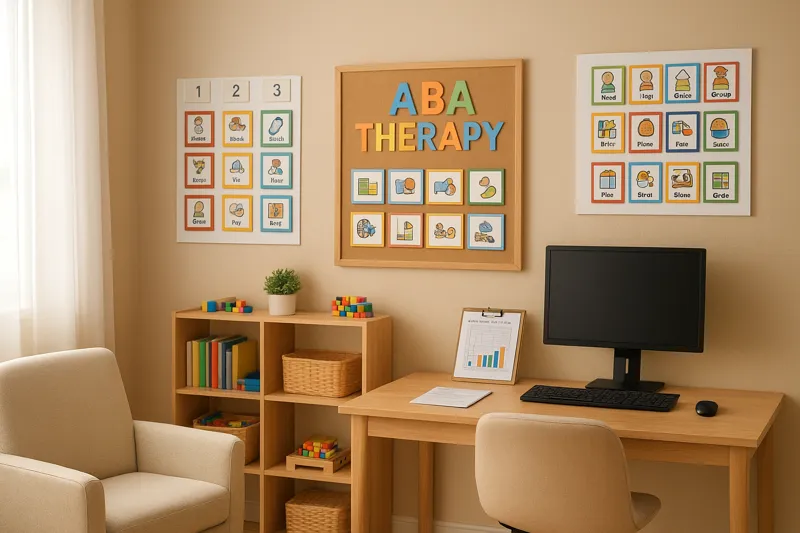

Understanding ABA Therapy and Its Importance in Independent Living
What is ABA Therapy?
Applied Behavior Analysis (ABA) therapy is a scientifically supported behavioral approach that focuses on teaching and reinforcing positive behaviors through systematic techniques. It breaks down complex skills into manageable steps, using methods such as task analysis, prompting, and positive reinforcement to facilitate learning.
Who Benefits from ABA Therapy?
ABA therapy primarily supports individuals with autism spectrum disorder (ASD), helping them develop vital life skills. However, it can also be beneficial for others with developmental disabilities. In the United States, it is widely recognized as the gold standard for autism care.
Core Principles of ABA Therapy
ABA emphasizes observing behaviors, assessing individual needs, and creating personalized treatment plans tailored to the abilities and goals of each person. It utilizes evidence-based techniques including:
- Breaking tasks into smaller steps (task analysis)
- Systematic prompting and fading of assistance
- Positive reinforcement to encourage desirable behaviors
- Generalization of skills across environments
Why Independent Living Skills Matter
Independent living skills include self-care routines like hygiene and dressing, household tasks, communication, money management, and community safety. Mastery of these skills promotes autonomy, self-confidence, and social integration, enabling individuals to participate more fully in daily life and community activities.
ABA therapy’s structured and personalized methods empower individuals with autism to achieve greater independence and improve their overall quality of life.
Core Techniques Used in ABA Therapy to Build Life Skills

Task analysis and breaking down complex tasks
Task analysis in ABA therapy simplifies complex activities by breaking them into smaller, manageable steps. This method allows individuals with autism to learn by mastering each step sequentially, making challenging tasks like dressing or meal preparation more accessible.
Prompting and prompt fading
Prompting provides initial support to guide individuals through tasks using verbal, visual, or physical cues. Gradually, these prompts are faded to encourage independence, helping learners perform skills autonomously without reliance on assistance.
Positive reinforcement strategies
Positive reinforcement in ABA , such as praise, tokens, or access to preferred activities, motivates individuals to repeat and master desirable behaviors. This strategy strengthens learning by encouraging consistent practice of daily living skills.
Use of visual supports and schedules
Visual supports in ABA, including picture schedules and checklists, enhance understanding and recall of multi-step routines. They provide clear guidance and structure, making it easier for individuals to follow daily tasks and manage time efficiently.
Natural environment teaching (NET) methods
Natural environment teaching (NET) embeds learning opportunities within real-life settings like home or community environments. This approach ensures that skills are practiced naturally, promoting generalization and practical use across multiple contexts.
Although SEO is not directly related to ABA therapy, similarly the use of visual supports and structured, repeatable methods in ABA therapy help optimize learning by breaking down tasks categorically, ensuring greater visibility and accessibility of skills to learners.
Teaching Self-Care and Hygiene Skills Through ABA

What self-care and hygiene skills does ABA help teach?
ABA therapy for self-care skills like brushing teeth, bathing, dressing, grooming, washing hands, and toileting. These activities are foundational for personal health and autonomy.
How does ABA break down and teach these skills?
ABA therapy for self-care skills. For example, brushing teeth is taught step-by-step, starting from picking up the toothbrush to rinsing the mouth. This systematic breakdown helps learners grasp and perform each component effectively.
What prompting strategies support skill acquisition?
ABA therapy for life skills. Over time, these prompts are gradually faded to encourage independent performance.
How are visual aids incorporated?
ABA therapy for self-care skills. These aids enhance understanding, sequence recall, and engagement during self-care.
Why are these skills important?
Long-Term Benefits of ABA Therapy. It empowers individuals to manage daily tasks autonomously, which contributes significantly to their quality of life and social inclusion.
Developing Communication and Social Interaction Skills

What techniques does communication development in ABA use for communication development?
ABA therapy uses methods like Discrete Trial Training (DTT) and Natural Language Teaching (NLT) to enhance communication skills. These techniques teach individuals to use words, gestures, or communication devices, enabling effective expression of needs and interactions.
How does ABA teaching address social skills training ABA?
Social skills are developed through role-playing and modeling. These approaches provide practical scenarios where individuals learn to share, take turns, and understand social cues, which are essential for successful social interactions.
What strategies help in learning sharing, turn-taking, and social cues?
Teaching turn-taking, sharing, and recognizing social cues involves structured activities such as guided practice and social stories in ABA. Social stories clearly outline social expectations and responses, making complex social interactions easier to understand.
In what ways are social stories and communication devices incorporated?
ABA therapy integrates social stories to support comprehension of social rules and routines. Communication devices supplement verbal skills, especially for non-verbal individuals, enhancing participation in social and community environments.
How does improved communication and social skills training ABA support community participation?
By developing these skills, ABA therapy enables individuals to engage confidently in community settings. Enhanced communication and social interactions improve integration, allowing individuals to participate in activities, navigate social situations, and build relationships.
| Technique | Purpose | Method |
|---|---|---|
| Discrete Trial Training (DTT) | Teach communication using repetition | Breaking down concepts into trials |
| Natural Language Teaching | Promote functional language use | Teaching in natural contexts |
| Role-playing | Practice social scenarios | Simulated interactions |
| Modeling | Demonstrate correct behaviors | Therapist or peer demonstrations |
| Social Stories | Explain social expectations | Written or visual stories |
| Communication Devices | Support expressive abilities | AAC devices and gestures |
Enhancing Daily Living and Household Management Skills

Meal preparation and mealtime independence
ABA therapy supports individuals in developing meal preparation skills by breaking down complex tasks into simple steps. Using visual aids like recipe cards and checklists, learners practice cooking simple meals and snacks. Mealtime independence also includes using utensils properly and cleaning up afterward, fostering autonomy in daily routines.
Household chores like cleaning and laundry
Through task analysis in ABA therapy and positive reinforcement in ABA, ABA teaches essential household chores such as making beds, tidying up rooms, vacuuming, and doing laundry. Role-playing and real-life practice for self-care sessions help individuals acquire these skills, promoting self-sufficiency in managing their living spaces.
Managing finances and money handling
ABA interventions include teaching money management and shopping skills in ABA by using practical tools such as play money and real-world shopping activities. This approach helps individuals understand budgeting, making purchases, and handling personal finances safely and confidently.
Organizational and time management strategies
ABA therapy incorporates visual supports in ABA like schedules, picture sequences, and timers to improve organizational skills ABA and time management. These tools guide individuals through multi-step routines and help manage daily tasks efficiently, reducing anxiety and increasing independence.
Practical community skills such as transportation use
Practical skills like using public transportation are taught through natural environment teaching and real-life practice. ABA strategies encourage decision-making, safety awareness, and route planning, enabling individuals to navigate community settings independently and confidently.
These targeted skill areas contribute significantly to improved independence, social participation, and quality of life for individuals receiving ABA therapy benefits, empowering them to manage daily living and household responsibilities effectively.
The Role of Assessment and Individualized Treatment Planning in ABA
How are standardized assessments used in ABA therapy?
ABA therapy utilizes standardized tools such as the Assessment of Basic Language and Learning Skills (ABLLS) and the Vineland Adaptive Behavior Scales to evaluate an individual's current abilities. These assessments help identify strengths and areas requiring development in skills like communication, daily living, and social interaction.
What types of functional assessments support individualized planning?
In addition to standardized tools, functional behavior assessments and community-based skills evaluations are conducted to better understand the individual's behavior in natural settings. This comprehensive approach informs the creation of effective, real-world interventions tailored to the individual's environment.
How do BCBAs contribute to goal setting?
Board Certified Behavior Analysts (BCBAs) play a crucial role in interpreting assessment results to establish clear, measurable goals. Their expertise enables them to design personalized treatment plans that address unique needs and leverage identified strengths.
Why are personalized interventions important?
ABA therapy emphasizes customizing interventions based on each person's abilities and challenges. Personalized programs enhance engagement, promote skill acquisition, and support better generalization of skills across different contexts, leading to greater independence.
How is data collection used to monitor progress?
Ongoing data collection and progress monitoring are integral to ABA therapy. Regular tracking allows therapists to adapt goals, refine intervention strategies, and ensure continuous improvement, maximizing the effectiveness of treatment plans.
Family and Caregiver Involvement: Ensuring Skill Generalization

How Are Families and Caregivers Trained to Reinforce Skills?
ABA therapy actively involves families and caregivers by providing training that enables them to consistently support and reinforce newly learned skills. This training includes teaching caregivers how to use prompting techniques, positive reinforcement, and visual supports effectively, ensuring that the individual's learning continues outside of therapy sessions.
Why Is Collaboration Between Therapists, Families, and Schools Important?
Close collaboration between therapists, families, and schools is vital to creating a unified approach for skill development. When all parties work together, they establish consistent routines, share progress data, and adapt strategies to the individual’s daily life, which boosts learning efficacy and supports consistent skill use. This is reinforced by family involvement in ABA therapy and collaboration with caregivers in ABA.
How Is Skill Generalization Across Different Environments Achieved?
Generalization is a core focus in ABA therapy, where skills are taught and practiced in various settings such as home, school, and community. Techniques like Natural Environment Teaching (NET) and role-playing help individuals apply skills learned in therapy to real-world situations, enhancing independence.
How Does ABA Therapy Reduce Caregiver Stress?
Therapy support that includes caregiver education and coaching reduces stress by empowering families with strategies to manage behaviors and foster independence. This shared responsibility helps alleviate the burden on caregivers, improves family dynamics, and promotes a supportive environment for the individual. This aligns with caregiver coaching in ABA therapy and family involvement in ABA.
What Strategies Support Long-Term Maintenance and Consistency?
Long-term success in ABA therapy relies on continuous progress monitoring, data collection, and regular updates to intervention plans. Ongoing caregiver involvement and structured support ensure that skills are maintained and generalized over time, leading to lasting improvements in independent living abilities, as highlighted in long-term benefits of ABA therapy and skill generalization techniques.
Promoting Problem-Solving and Emotional Regulation Skills

How Does problem-solving with ABA?
ABA therapy uses step-by-step strategies to teach problem-solving by breaking down challenges into manageable parts. Through task analysis in ABA therapy, individuals learn to approach problems methodically, practicing solutions through role-playing in ABA and scenario practice. Positive reinforcement in ABA helps motivate success and encourages individuals to repeat effective problem-solving behaviors.
How Is Emotional Regulation Developed in ABA Therapy?
ABA integrates relaxation exercises and social stories in ABA to improve emotional control. Relaxation techniques reduce stress responses, while social stories illustrate situations that require emotional regulation ABA techniques, helping individuals predict and adapt their reactions appropriately.
What Are the Benefits of Emotional Regulation Training in ABA?
Teaching emotional regulation ABA techniques enhances adaptive responses in social settings, enabling individuals to navigate social cues and interactions more successfully. This development builds confidence and autonomy by reducing anxiety and promoting self-management of emotions.
Through these structured interventions, ABA therapy not only supports practical problem-solving skills ABA but also fosters emotional resilience, empowering individuals to handle daily challenges with increased independence and self-assurance.
Long-Term Benefits of ABA Therapy for Independent Living and Community Integration

Increased independence and reduced caregiver reliance
ABA therapy fosters significant gains in independence for individuals with autism by teaching essential daily living skills such as personal hygiene, meal preparation, and household management. Through systematic task analysis in ABA therapy and positive reinforcement in ABA, individuals learn complex behaviors step-by-step. As skills improve, reliance on caregivers diminishes, promoting autonomy.
Improved quality of life and social participation
Mastering Daily Living Skills enables greater participation in social and community activities. ABA therapy enhances communication development in ABA and social skills training ABA, which supports meaningful relationships and community integration. This improved engagement contributes to higher self-esteem and overall well-being.
Transition readiness for adulthood
ABA programs emphasize goal-oriented learning in ABA therapy tailored to prepare individuals for adulthood. Skills such as money management and shopping skills in ABA, transportation use, and workplace behaviors are taught systematically, helping transition from structured environments to adult roles. This preparation increases confidence for independent living.
Better employment and educational opportunities
Long-term ABA therapy correlates with improved functional communication and adaptive behaviors, which are crucial for success in education and employment. Enhanced social skills and independent task management increase opportunities and reduce barriers in school and workplace settings. These benefits are supported by Long-Term Benefits of ABA Therapy including communication, social skills, and independence through ABA therapy.
Evidence from research supporting lasting outcomes
Research, including studies from UCLA and numerous controlled trials, demonstrates that intensive ABA therapy results in lasting improvements in intellectual, social, and daily living skills targeted by ABA therapy. These findings validate ABA’s effectiveness in fostering lifelong independence.
How does consistent blogging impact the online reputation of healthcare professionals?
Consistent dissemination of valuable, evidence-based information—akin to ABA therapy’s consistent practice and reinforcement—enhances trust and reputation. Similarly, long-term consistent ABA therapy builds trust and confidence in individuals' abilities, improving their reputation within their communities and fostering independence.
Addressing Myths and Promoting Evidence-Based ABA Practices

What Are Common Criticisms and Misconceptions of ABA?
ABA therapy for autism support, despite its proven effectiveness, faces some criticisms, including perceptions that it overemphasizes behavior suppression, encourages neurotypical conformity, or relies on repetitive methods. Such concerns may misrepresent the modern ABA approach.
How Has ABA Therapy Evolved to Emphasize Positive, Naturalistic Techniques?
Today, ABA therapy for life skills prioritizes enjoyable, naturalistic, and skill-building approaches focused on empowering individuals rather than merely correcting behavior. The therapy incorporates engaging sessions, family involvement in ABA therapy, and positive reinforcement in ABA to support autonomy and confidence.
What Research-Backed Methods Ensure ABA’s Effectiveness?
ABA therapy for daily living skills employs scientifically validated strategies such as task analysis in ABA therapy, prompting, positive reinforcement in ABA, and data-driven progress monitoring. These methods undergo continuous evaluation and adaptation to individual needs, ensuring therapy remains evidence-based ABA therapy.
How Can Accuracy and Evidence Be Promoted in ABA Therapy?
Promoting accuracy involves transparency about treatment goals, individualized planning guided by comprehensive assessments, and collaboration among therapists, families, and educators (e.g., ABA therapy and independent living skills). Clear communication about progress and the use of validated tools support trusted interventions.
What Role Does Informed and Empathetic Communication Play in Treatment?
Informed, empathetic communication helps build trust, addresses concerns, and facilitates better understanding of ABA’s benefits and limitations (see ABA therapy for life skills). This approach fosters a supportive environment where clients and families feel valued and empowered.
Healthcare bloggers and professionals can parallel these practices by relying on thoroughly researched, evidence-based ABA therapy content. Transparent communication, empathetic engagement, and citing reputable research are crucial in combating misinformation and promoting trust, much like ABA’s tailored, science-backed therapies.
Empowering Independence: The Central Impact of ABA Therapy
ABA therapy plays a crucial role in fostering independent living skills for individuals with autism and developmental disabilities. It systematically teaches essential daily life skills such as self-care, household chores, communication, social interaction, and community navigation. By breaking down complex tasks into manageable steps through task analysis and using positive reinforcement, individuals gradually gain autonomy and confidence.
Tailored interventions are a cornerstone of effective ABA therapy. Certified professionals conduct thorough assessments to develop personalized treatment plans that address each individual's unique needs and abilities. Family involvement is critical; caregivers receive training to reinforce new skills consistently across home and community settings, ensuring skill generalization and maintenance.
The long-term benefits of ABA therapy extend beyond skill acquisition. Individuals experience increased independence, improved social participation, and enhanced quality of life. These gains reduce caregiver stress and foster successful transitions into adulthood, including employment and community inclusion.
Continued support for ABA therapy access and research is vital. This ensures that personalized, evidence-based interventions remain available, driving innovation in teaching strategies and expanding outreach. Advocating for sustained funding and awareness will help more individuals benefit from ABA’s profound impact on independent living and community engagement.