
Introduction to ABA Therapy and Misconceptions
Overview of ABA Therapy
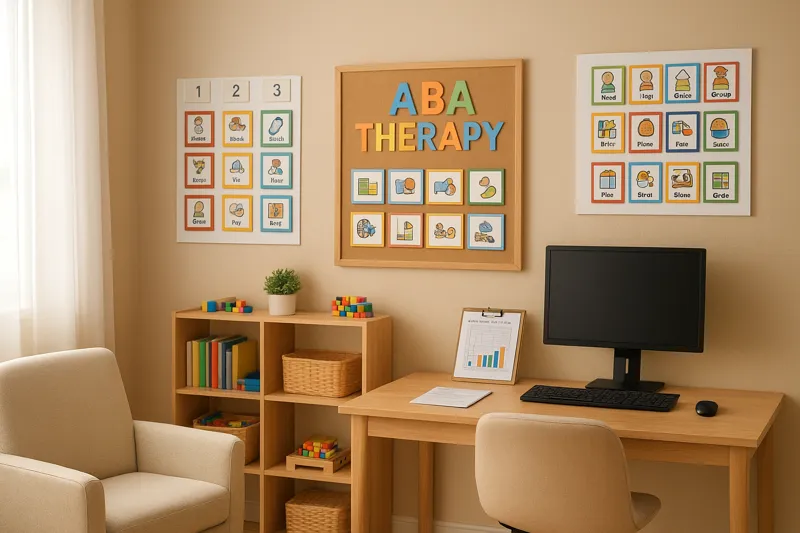
Applied Behavior Analysis (ABA) is a scientifically supported therapy widely used to help individuals, especially children with Autism Spectrum Disorder (ASD), improve communication, social skills, and behavior. It uses principles of learning, such as positive reinforcement, to encourage desirable behaviors while reducing harmful or disruptive ones. ABA is flexible and highly individualized, adapting to each person's unique strengths and challenges. The therapy can be delivered in clinics, homes, schools, or community settings and often involves collaboration with caregivers and other professionals.
Common Misconceptions Surrounding ABA
Despite its strong evidence base, ABA therapy has faced several misconceptions. Some believe it aims to "cure" autism or makes children robotic, but ABA instead focuses on skill development and independence, respecting individual identity. Others confuse positive reinforcement with bribery, though reinforcement occurs after desired behaviors to encourage repetition rather than as a pre-behavior bribe. Additionally, ABA is not one-size-fits-all; it employs diverse strategies like natural environment teaching and encourages emotional well-being.
Purpose and Importance of Clarifying These Myths
Clarifying myths about ABA is essential for families and individuals considering this therapy. Removing misunderstandings helps empower informed decisions about treatment based on facts rather than fears. It ensures ABA's ethical, research-backed approaches are recognized and that children receive personalized support to enhance their quality of life and independence. Education about ABA also fosters collaboration between therapists and families, promoting transparency and trust in therapy outcomes.
What Is ABA Therapy and How Does It Work?

Definition and Scientific Basis of ABA
Applied Behavior Analysis (ABA) is a research-based therapy that focuses on understanding and applying the science of learning and behavior. Originating from the principles of operant conditioning developed by B.F. Skinner, ABA aims to increase helpful behaviors and reduce those that may hinder development. This therapy is extensively supported by scientific research and recognized as a best practice by institutions like the U.S. Surgeon General and the American Psychological Association.
Foundational Principles: Operant Conditioning and Positive Reinforcement
At the core of ABA is the principle of operant conditioning, which examines the relationship between antecedents, behaviors, and consequences in ABA. Positive reinforcement in ABA—rewarding desired behaviors with motivating stimuli such as praise or tangible rewards—is fundamental. Unlike bribery, reinforcement is given after a behavior to encourage its repetition and is gradually faded over time (positive reinforcement vs bribery in ABA).
Individualized Nature of ABA Programs
ABA therapy is highly personalized. Behavior analysts conduct thorough assessments to tailor treatment plans that address each individual's unique strengths, needs, and family preferences. This custom approach ensures that therapy supports meaningful, socially significant skills rather than a one-size-fits-all model (Individualized ABA programs.
Common Techniques Used in ABA
ABA incorporates various teaching methods, each adaptable to individual needs. Discrete Trial Training (DTT) breaks skills into small steps with clear prompts and reinforcement. Natural Environment Teaching (NET) focuses on learning within everyday contexts, using the individual’s interests to motivate. Pivotal Response Training (PRT) is a play- and child-led approach that naturally encourages skill development across behavioral domains.
Role of Board Certified Behavior Analysts and Multidisciplinary Teams
Qualified professionals—Board Certified Behavior Analysts (BCBAs)—design, oversee, and adjust ABA programs based on ongoing data collection and individual progress. They collaborate with other specialists such as speech therapists, occupational therapists, and educators to address comprehensive developmental needs and ensure holistic care (coordination with healthcare providers in ABA.
Common Myths About ABA Therapy Debunked

Myth: ABA aims to ‘cure’ autism
A prevalent misconception is that ABA therapy seeks to cure autism. In reality, ABA does not attempt to eradicate autism but focuses on supporting skill development and promoting independence. It helps individuals manage challenges and enhances quality of life without altering core identity or seeking normalization.
Myth: ABA makes children robotic or unemotional
Critics sometimes claim ABA leads to robotic or unemotional behaviors. However, modern Benefits of ABA Therapy for All Ages emphasizes flexibility, imagination, and natural interactions. It incorporates emotional understanding and helps children develop self-advocacy, communication, and coping skills while respecting individuality.
Myth: ABA uses punishment or aversive methods
Myths & Facts About Applied Behavior Analysis is frequently misunderstood as relying on punishment or aversive techniques. Contemporary ABA prioritizes positive reinforcement and employs punishment only very rarely and ethically, after less intrusive methods fail. Earlier controversial practices are no longer used, and current ethical guidelines strictly prohibit harmful interventions.
Myth: ABA is bribery due to use of rewards
The use of rewards in ABA often leads to the false claim that it is bribery. In truth, positive reinforcement vs bribery in ABA occurs after the desired behavior to motivate repetition and learning. Rewards are meaningful and systematically faded over time to encourage lasting behavioral changes without dependency.
Myth: ABA is a one-size-fits-all approach
ABA is sometimes seen as rigid and uniform. Conversely, individualized ABA programs are highly individualized, tailored to each child’s strengths, needs, cultural background, and family input. Treatment plans evolve continuously based on careful evaluation and progress monitoring by certified professionals.
Facts clarifying each misconception
- ABA is evidence-based and backed by decades of Myths & Facts About Applied Behavior Analysis.
- ABA is effective across various ages and conditions beyond autism.
- It involves multidisciplinary collaboration, including family participation (Parental involvement in ABA.
- ABA uses naturalistic strategies like Natural Environment Teaching (NET) and play-based methods.
- Qualified professionals design and supervise personalized programs using ethical, positive methods.
These clarifications highlight ABA as a respectful, adaptable, and scientifically supported therapy aimed at empowering individuals rather than enforcing conformity or using coercion.
Benefits and Scope of ABA Therapy Beyond Autism
How Does ABA Therapy Support Individuals Beyond Autism?
Applied Behavior Analysis (ABA) therapy, while widely recognized for its role in autism treatment, is also effective for other ABA for mental health disorders. It supports individuals with ADHD, OCD, PTSD, and borderline personality disorder (BPD) by improving behaviors and promoting skill development. ABA’s Research-based ABA methods help manage a variety of symptoms like impulsivity, anxiety, and repetitive behaviors, making therapy suitable across diverse diagnoses.
What Skills Can ABA Therapy Develop?
ABA therapy focuses on building essential skills including communication and social skills development, self-care, and academic abilities. Through techniques such as modeling, prompting, and Positive reinforcement in ABA, individuals learn practical skills like effective interaction, self-advocacy, personal hygiene, and problem-solving. These skills are aimed at improving day-to-day functioning and fostering greater independence.
How Does ABA Support Emotional Regulation?
Emotional well-being in ABA therapy is a vital component of ABA therapy. The approach teaches coping strategies for managing stress, frustration, and anxiety. By understanding antecedents and consequences of behaviors, practitioners help individuals develop healthier emotional responses and self-regulation skills, which contribute to improved mental health and adaptive functioning.
Where Is ABA Therapy Applied?
ABA is versatile and applied in various settings such as schools, clinics, homes, and community environments. Integration into Natural environment training in ABA ensures that skills generalize across contexts enhancing their usefulness. Additionally, ABA programs are coordinated with other professionals like speech therapists and occupational therapists, providing holistic support.
What About Accessibility and Insurance Coverage?
Access to ABA services has improved with increased insurance coverage for ABA in many U.S. states. Medicaid and private insurance often cover medically necessary ABA therapy for eligible individuals under 21, though specific coverage details and out-of-pocket costs vary by plan. Families can consult healthcare providers and insurance companies to navigate service access effectively.
The Role of Positive Reinforcement in ABA: Not Bribery

What Is Positive Reinforcement and How Does It Differ From Bribery?
Positive reinforcement in ABA refers to rewarding a desired behavior after it occurs to encourage its repetition. It is a strategic, evidence-based ABA therapy benefits technique designed to motivate individuals by highlighting and increasing helpful behaviors. Unlike bribery—which happens before a behavior to coax an action without any structured plan—reinforcement is a deliberate consequence following a behavior.
Examples of Reinforcers Used in ABA Therapy
ABA therapists use a variety of reinforcers tailored to each individual’s interests and needs. These include verbal praise, access to preferred toys or activities, tangible rewards, or social acknowledgment. These reinforcers are natural and meaningful, serving as motivating factors rather than arbitrary or manipulative incentives.
Ethical Standards Guiding Reinforcement Practices
Reinforcement in ABA follows professional ethical guidelines to ensure it respects the individual's dignity and autonomy. Practitioners carefully monitor responses to reinforcement, ensuring that it never involves coercion or aversive methods. Board Certified Behavior Analysts (BCBAs) oversee treatment plans to maintain these standards.
Fading Reinforcement to Promote Independence
An important aspect of ABA therapy is systematically fading the use of external reinforcements over time. As behaviors become habitual and intrinsic, reinforcers are gradually reduced or replaced by natural daily-life rewards. This approach supports lasting behavior change and helps individuals develop independence.
Why Positive Motivation Is Core to ABA Success
Positive reinforcement fosters an engaging, motivating therapy environment, encouraging learning and skill acquisition. It builds a supportive framework for individuals to thrive without punishment or force, making it central to the effectiveness and ethical acceptance of Benefits of ABA Therapy for All Ages.
Individualized Approaches and Family Involvement in ABA Therapy
Why is it important to tailor ABA therapy to each individual's needs and strengths?
ABA therapy is highly individualized to meet each child's unique needs, strengths, and interests. Qualified Board Certified Behavior Analysts (BCBAs) design treatment plans based on comprehensive assessments and ongoing data collection. This Individualized ABA programs ensures therapies focus on meaningful and socially significant skills, maximizing the child’s potential and promoting progress in communication, social skills, and independence.
How are ongoing assessments and data collection used in ABA?
Ongoing assessment and continuous data collection allow behavior analysts to monitor progress and adjust treatment plans dynamically. This iterative process ensures that interventions remain effective, goals are relevant, and strategies align with the child’s evolving abilities and behaviors. These Continuous Evaluation in ABA are essential for tailoring therapy to individual needs.
What role do parents and caregivers play in ABA therapy?
Parents and caregivers are integral to the success of ABA therapy. They actively participate in goal setting, reflecting family priorities, values, and cultural considerations, which enhances social validity. Parental involvement in ABA supports natural reinforcement of desired behaviors within home and community settings, extending the learning beyond therapy sessions through training and collaboration.
How does ABA therapy accommodate cultural considerations and social validity?
Goals of ABA therapy incorporate cultural and family values to ensure relevance and respect for the individual’s social environment. Parental involvement in ABA helps tailor goals that honor cultural practices, making interventions more acceptable and effective.
How do ABA practitioners collaborate with other professionals?
ABA therapists coordinate with other healthcare and educational providers such as speech therapists and occupational therapists. This multidisciplinary approach addresses various developmental domains comprehensively, supports generalization of skills, and contributes to holistic care for the individual, reflecting the ABA Team Approach.
Modern ABA Therapy: Ethical Practices and Evolving Approaches
How has ABA therapy shifted to use positive, non-coercive methods?
Modern ABA therapy has largely moved away from aversive or punitive techniques, focusing instead on Positive Reinforcement in ABA and supportive, non-coercive approaches. This means therapy emphasizes motivating desired behaviors through encouragement and rewards that are meaningful and natural rather than through punishment or force. Ethical standards now guide practitioners to use reinforcement strategies that build skills and independence while respecting individual preferences.
What role do naturalistic teaching and play-based learning play in ABA today?
Current ABA practices incorporate Naturalistic Teaching in ABA Therapy and play-based learning to make therapy more engaging and relevant to real-life experiences. Techniques such as Natural Environment Teaching (NET) and Pivotal Response Training (PRT) involve teaching skills within everyday routines and play activities. This approach helps children generalize skills across settings and supports their natural development, making learning both fun and effective.
How does modern ABA respect neurodiversity and promote quality of life?
Modern ABA therapy respects neurodiversity by focusing on enhancing an individual's quality of life and independence rather than attempting to 'cure' autism or force conformity. It aims to help individuals develop communication, social, self-care, and coping skills that empower them to navigate their world successfully while honoring their identity and strengths.
Which major organizations recognize the effectiveness of ABA?
ABA therapy is recognized as a scientifically validated treatment endorsed by major bodies including the American Psychological Association and the U.S. Surgeon General. These endorsements reflect decades of peer-reviewed research demonstrating ABA's effectiveness in improving communication, social skills, and adaptive behaviors.
How does modern ABA foster self-advocacy and emotional well-being?
Contemporary ABA programs include emotional considerations by teaching children to recognize and express feelings while developing coping strategies for stress and frustration. Furthermore, ABA supports self-advocacy by enabling individuals, even those with limited verbal skills, to communicate their needs and preferences effectively. Parental involvement and personalized goal setting ensure therapies align with social validity and cultural values, fostering empowerment and emotional health. For more details on this, see Emotional well-being in ABA therapy and Parental involvement in ABA therapy.
Conclusion: Understanding ABA Therapy in Its True Light
ABA therapy is a scientifically supported approach that improves communication, social skills, and independence for individuals with autism spectrum disorder (ASD).
It is personalized to fit each person's unique needs and emphasizes positive reinforcement rather than punishment or coercion.
Dispel misconceptions like bribery or one-size-fits-all treatments, as these misunderstandings hinder families from accessing effective support.
Families are encouraged to seek qualified professionals—such as Board Certified Behavior Analysts—who tailor plans collaboratively and ethically.
With a solid research foundation, ABA empowers individuals with autism to develop skills that enhance quality of life and promote greater independence.
Understanding ABA clearly ensures informed decisions and better outcomes for children and adults alike.